SC Says No Criminal Action Should Follow Refusal to Sing ‘Vande Mataram’ for Religious Reasons
 frame and share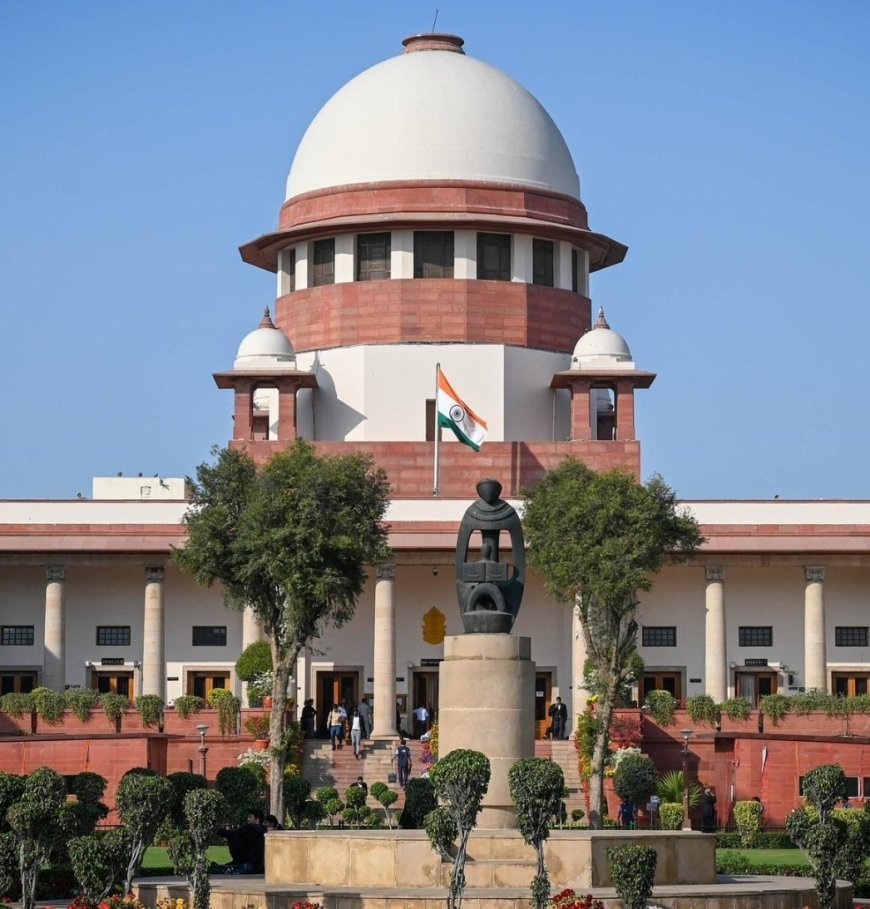


Supreme Court Examines Criminal Action Over Not Singing All Six Stanzas of ‘Vande Mataram’
Court Seeks Centre’s Response on TM Krishna’s Challenge to Six-Stanza Mandate


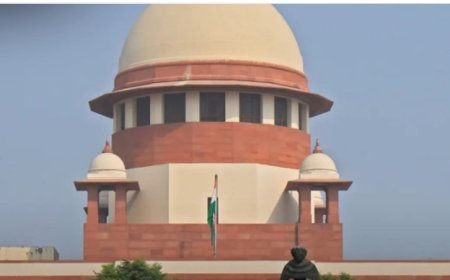
New Delhi, September 22, 2026: The Supreme Court on Tuesday indicated that a person who does not sing all six stanzas of ‘Vande Mataram’ for religious or conscientious reasons should not face criminal action, while seeking the Centre’s response to a petition challenging the legal provisions concerning the National Song.


A three-judge bench comprising Chief Justice of India Surya Kant and Justices Joymalya Bagchi and V. Mohana was hearing a petition filed by Carnatic vocalist T.M. Krishna. The petition challenges the constitutional validity of the 2026 amendment to the Prevention of Insults to National Honour Act, 1971, which extends penal protection to the National Song.
Under the amended provision, intentionally preventing the singing of the National Song or disrupting an assembly engaged in singing it can attract imprisonment of up to three years, a fine, or both.
Krishna has also challenged the Ministry of Home Affairs’ directions requiring the complete six-stanza version of ‘Vande Mataram’ to be sung at specified government, ceremonial and cultural events. His petition argues that the later stanzas contain references to Hindu religious imagery and that compelling their rendition raises questions concerning religious freedom and constitutional rights.
The Supreme Court referred to its 1986 Bijoe Emmanuel judgment, in which it protected students who respectfully declined to sing the National Anthem because of their religious beliefs. The bench indicated that the principles established in that case remain relevant while examining whether criminal consequences can be imposed on those who choose not to sing.
The Court did not decide at this stage whether the National Song should comprise two or six stanzas. Instead, its scrutiny is focused on the constitutional and penal consequences attached to non-participation. The Centre has been asked to file its response within two weeks.