Iran And UAE Seek To Move Beyond Past Differences At BRICS Summit
 frame and share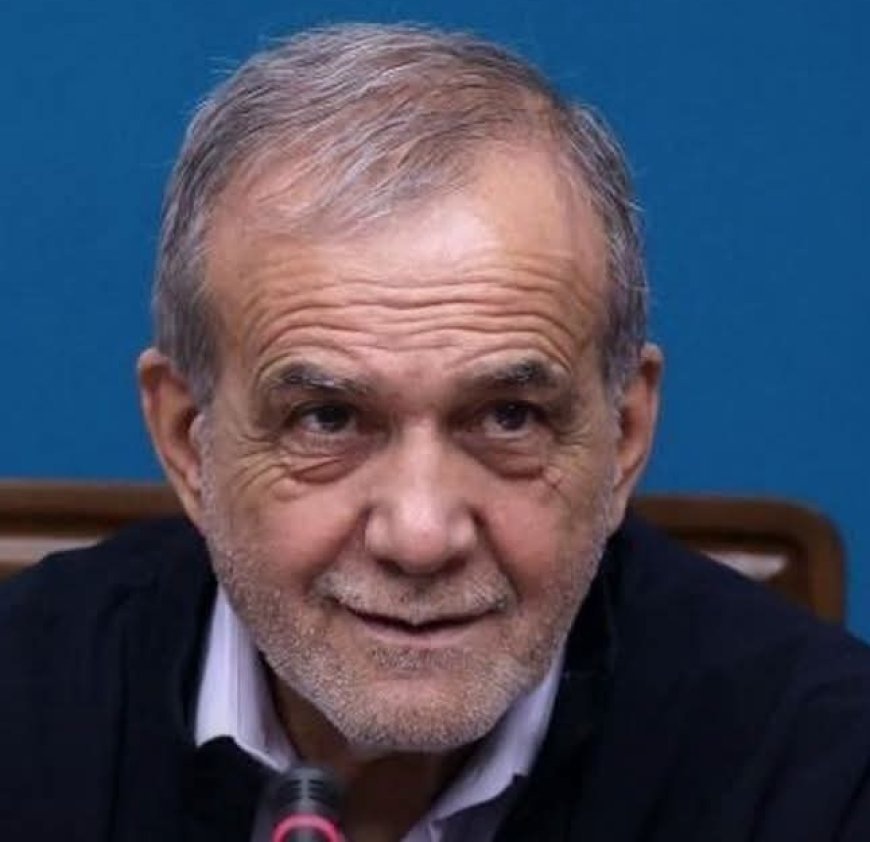


Iran-UAE Thaw? Pezeshkian Says Tehran And Abu Dhabi Agree To ‘Put The Past Aside’
Iranian President Says ‘Good Talks’ With Abu Dhabi Crown Prince On BRICS Summit Sidelines


Iranian President Masoud Pezeshkian said Tehran and the United Arab Emirates have agreed to move beyond past differences and focus on building a better future together.


Pezeshkian made the remarks after meeting Abu Dhabi Crown Prince Sheikh Khaled bin Mohamed bin Zayed Al Nahyan on the sidelines of the 18th BRICS Summit in New Delhi. He described the discussions as “good” and said both sides had agreed to “put the past aside.”
“We agreed to put the past aside and look forward to the future, and how we can build a future together,” Pezeshkian said.
Sign Of Possible Diplomatic Thaw
The meeting comes against the backdrop of continuing tensions and conflicts across the Middle East. The UAE has stressed the importance of de-escalation and regional stability, while Tehran has sought stronger diplomatic engagement with neighbouring countries.
According to the Abu Dhabi government, Pezeshkian and Sheikh Khaled discussed regional and international issues of mutual interest and stressed the need to support efforts to ease tensions, promote de-escalation and strengthen regional stability.
UAE presidential adviser Anwar Gargash described the meeting as reflecting Abu Dhabi's approach of combining diplomacy with deterrence, while calling Pezeshkian's approach during the crisis “balanced and rational.”
BRICS Platform Gives Diplomacy A Boost
The Iran-UAE engagement took place during a major gathering of world leaders in New Delhi, providing an important diplomatic platform for discussions involving countries with differing positions on the region's conflicts.
Pezeshkian also used the BRICS summit to call for greater economic cooperation among member states, including increased use of national currencies in trade, while criticising unilateral sanctions imposed on Iran.
The Iran-UAE meeting therefore carries significance beyond bilateral ties, particularly as Gulf states navigate heightened regional security and economic pressures.