
Nafisa Ali Starts Targeted Therapy After PET/CT Shows Cancer Progression
 frame and share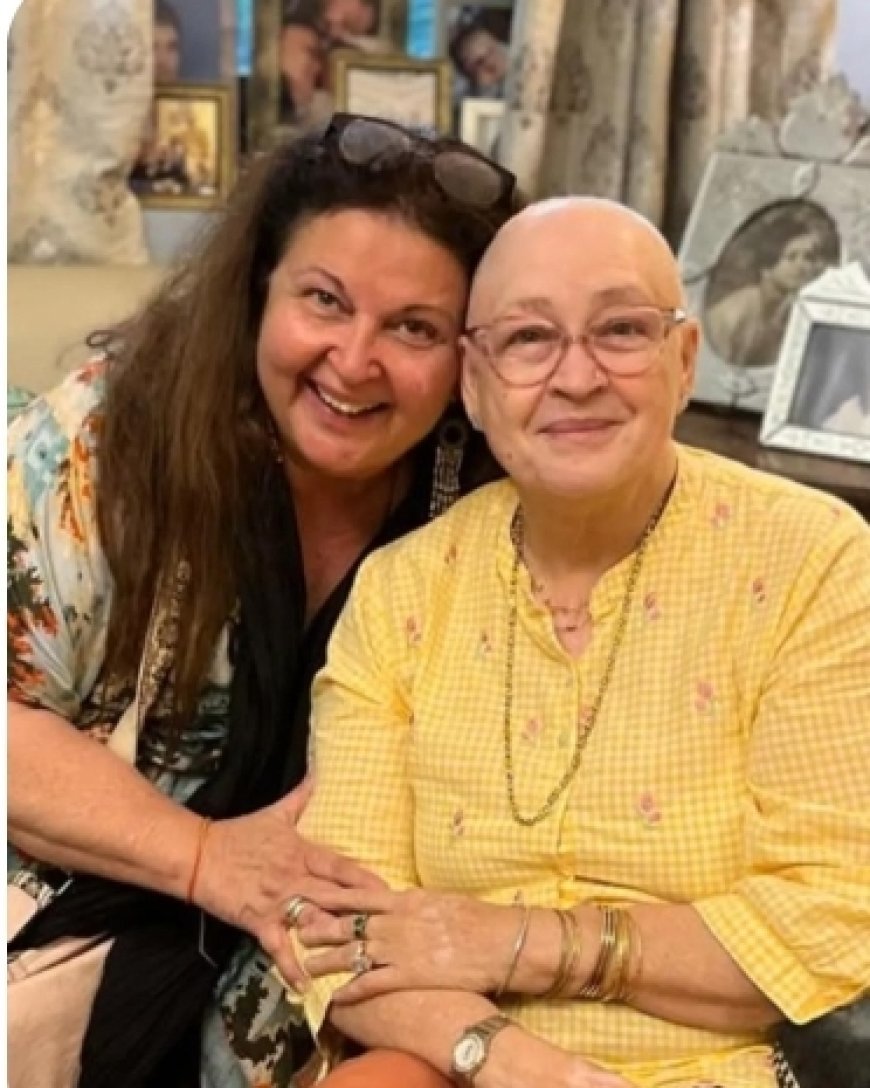


Nafisa Ali’s Ovarian Cancer Progresses, New Deposits Found on Liver Surface
Mumbai/New Delhi: Veteran actor Nafisa Ali, 69, has revealed that her ovarian and peritoneal cancer has progressed, with a recent PET/CT scan showing new cancer deposits on the surface of her liver. Following the latest scan results, her doctors have changed her treatment protocol and started her on targeted therapy.


Ali shared the health update through Instagram from a hospital bed. She said that her treatment plan had changed and that she had been placed on targeted therapy. She also explained that, in simple terms, her PET/CT scan indicated progression of ovarian/peritoneal cancer, with new deposits appearing on the liver's surface.


What Does Liver Surface Cancer Mean?
The liver is covered by a thin outer layer known as the liver capsule. In cancers such as ovarian and peritoneal cancer, cancer cells can spread through the peritoneum — the lining of the abdominal cavity — and form deposits on the surface of abdominal organs, including the liver.
Importantly, cancer deposits on the liver's surface are different from cancer growing inside the liver tissue. The distinction is important for doctors when assessing the extent of the disease and deciding on treatment.
What Is Peritoneal Cancer?
The peritoneum is the membrane lining the abdominal cavity and covering many abdominal organs. Ovarian cancer can spread within this area, affecting the peritoneal lining, bowel surfaces and other abdominal structures.
When doctors describe cancer as having progressed, it generally means that the disease has increased, spread or developed new areas despite previous treatment. However, the term alone does not determine how quickly the cancer will progress or what an individual's prognosis will be.
What Is Targeted Therapy?
Targeted therapy involves medicines designed to act on specific molecules, proteins or biological pathways that help cancer cells grow and survive. Depending on the cancer and laboratory test results, doctors may use medicines that block cancer-related signals or interfere with particular changes within tumour cells.
Targeted therapy is not suitable for every cancer patient. Doctors may use molecular or genetic testing to determine whether a tumour contains changes that can be targeted with a particular medicine. Previous treatments, overall health, the location of the disease and potential side effects are also considered.
Nafisa Ali’s Cancer Journey
Nafisa Ali was diagnosed with stage 3 ovarian and peritoneal cancer in 2018. She has previously spoken about going into remission and continuing treatment. Her latest update indicates that the disease has shown new signs of progression, prompting doctors to modify her treatment strategy.
Her case also highlights why regular scans and personalised oncology care are important for patients whose cancers can recur or progress.