US-Iran War Escalates: Iran Strikes US Oil Tanker, Vows Revenge for IRIS Dena & Threatens Trump
In a massive escalation of the 2026 Middle East conflict, Iran has attacked a US oil tanker in the Gulf, calling it direct retaliation for the sinking of its warship, IRIS Dena. Tehran has also issued chilling threats against Donald Trump.
 frame and share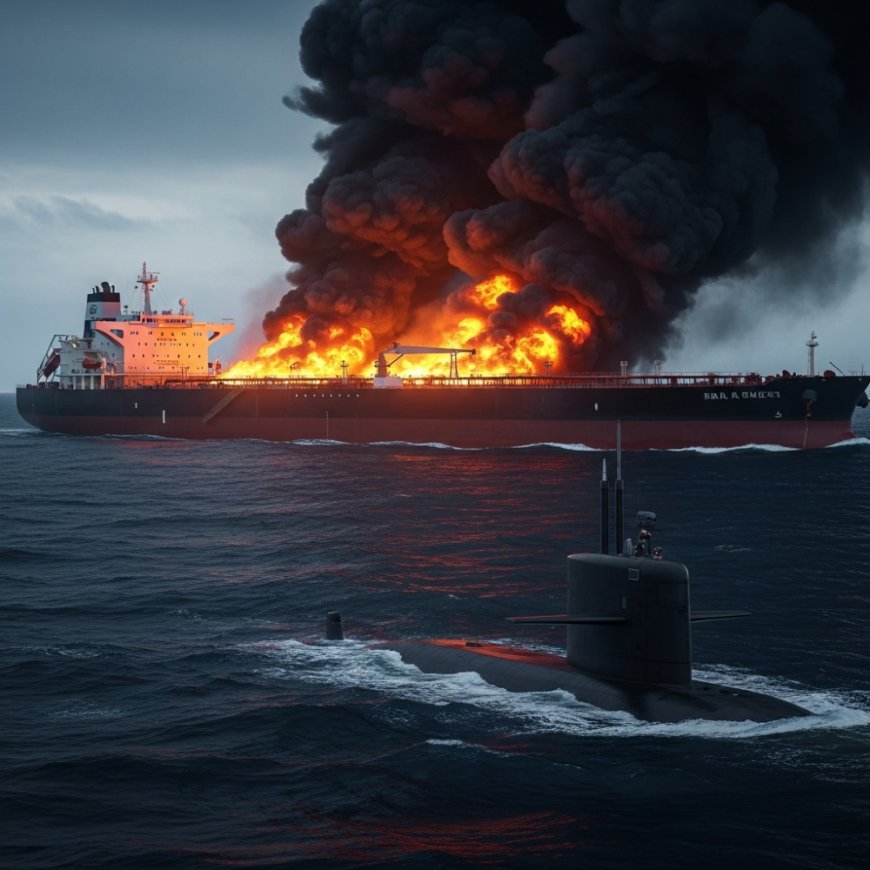


Flashpoint in the Gulf: Iran Strikes US Oil Tanker in Vicious
Retaliation
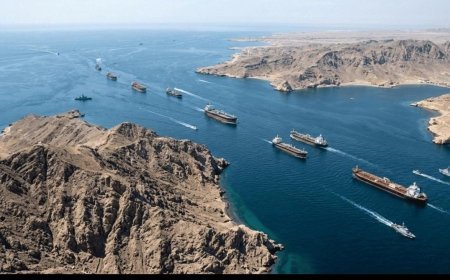
Washington/Tehran: The geopolitical landscape of the Middle East has fractured further as the ongoing US-Iran conflict morphs into a devastating naval war. In a highly aggressive move, Iran’s Islamic Revolutionary Guard Corps (IRGC) Navy has reportedly launched missile strikes against US and British commercial oil tankers navigating the strategic Strait of Hormuz.


Tehran has publicly claimed responsibility for the attacks, declaring them a direct act of "revenge" for the recent destruction of its premier warship, the IRIS Dena. Adding fuel to an already explosive situation, Iranian hardliners have issued direct, violent threats against Donald Trump, vowing to "shed his blood" following his administration's aggressive military campaigns against the Islamic Republic.


The Catalyst: The Sinking of the IRIS Dena
To understand the current chaos in the Gulf, one must look at the unprecedented military action that occurred just days prior in the Indian Ocean.
The Iranian warship IRIS Dena, a modern Moudge-class frigate, was returning home after participating in the 2026 International Fleet Review and the multilateral 'Milan' naval exercise hosted by India. As it sailed through international waters off the southern coast of Sri Lanka, it was tracked and targeted by a US Navy fast-attack submarine.
Using a single, highly advanced Mark 48 torpedo, the US submarine obliterated the Iranian frigate. The strike—which US Defense officials touted as the first sinking of an enemy ship by an American torpedo since World War II—resulted in the deaths of over 80 Iranian sailors. While Sri Lankan rescue forces managed to pull 32 survivors from the wreckage, the loss of the IRIS Dena was a humiliating and devastating blow to Tehran's naval prestige.
"An Eye for an Eye": The Attack on Oil Tankers
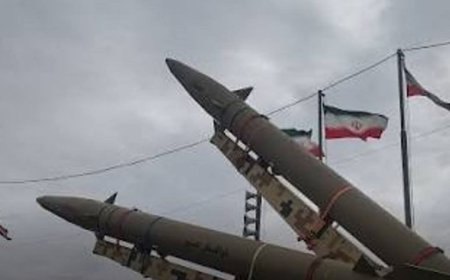
Furious over the sinking of the IRIS Dena and heavy losses in the region, Tehran immediately promised catastrophic retaliation. Fulfilling this vow, Iranian forces unleashed a barrage of anti-ship missiles and explosive-laden drones targeting commercial shipping lanes.
Reports indicate that at least three major Western vessels, including a prominent US oil tanker, were struck in the Gulf. By targeting the arteries of global energy, Iran aims to inflict maximum economic pain on the United States and its allies, proving that it can choke off the vital flow of oil through the Strait of Hormuz if backed into a corner.
The Vendetta Against Donald Trump
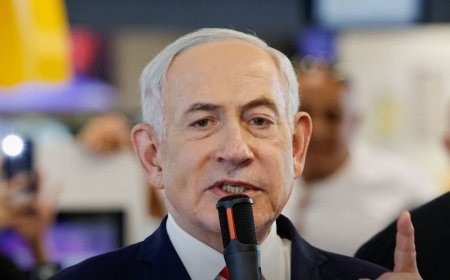
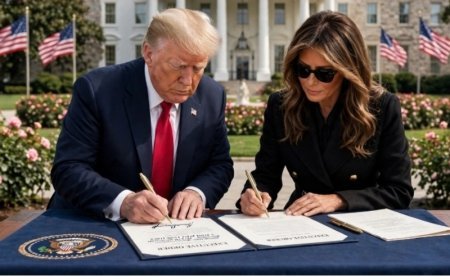
The conflict has taken on a deeply personal and dangerous dimension concerning Donald Trump. Following the tanker attacks, Trump publicly declared that the US military would ensure the free flow of energy and boasted that American forces had already sunk "nine Iranian warships" to dismantle Tehran's naval capabilities.
In response, Iranian state media and military commanders have escalated their rhetoric from political condemnation to outright threats of assassination. The animosity reached a boiling point after the US military confirmed it had recently hunted down and killed a senior Iranian official who was actively orchestrating an assassination plot against Trump. Enraged by the continuous decapitation strikes against their leadership, Iranian hardliners have openly threatened to "shed Trump’s blood," viewing him as the primary architect of their nation's suffering.
Global Implications and the Path Ahead
The ramifications of this naval warfare are global. The targeting of US oil tankers has already sent shockwaves through international energy markets, with crude prices spiking amidst fears of sustained supply chain disruptions.
As the US pledges to maintain "complete control of Iran's skies" and deploys unlimited precision gravity bombs to crush the IRGC, the tit-for-tat escalation leaves virtually no room for diplomacy. The sinking of the IRIS Dena and the subsequent attacks on commercial tankers signify that the "shadow war" is entirely over replaced by open, unconstrained, and highly destructive conventional warfare that threatens to engulf the entire Indo-Pacific and Middle Eastern regions.