Saudi Arabia vs Houthis: Why Muslim Nations Are Hesitating to Join the War
 frame and share


Why Have Muslim Countries Not Taken Direct Military Action to Support Saudi Arabia Against the Houthis?
Riyadh: The escalating confrontation between Saudi Arabia and Yemen’s Houthi movement has raised questions over why other Muslim-majority countries have largely stopped short of direct military intervention on Riyadh’s behalf.


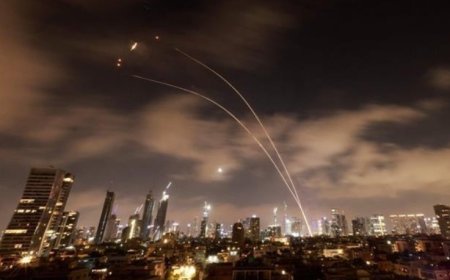
Saudi Arabia says its air defences intercepted a Houthi drone south of Mecca before it entered the city’s restricted airspace. The Saudi-led coalition described the security of Mecca and the holy sites as a “red line.” The Houthis, however, have categorically denied targeting Mecca or any Islamic holy site.


Several factors help explain the cautious response.
Military capability and risk
Not every Muslim-majority country has the military capability, logistics or air-defence systems required for direct involvement in a conflict involving Saudi Arabia and the Houthis. Any military intervention could also expose participating countries to retaliation and potentially widen the conflict.
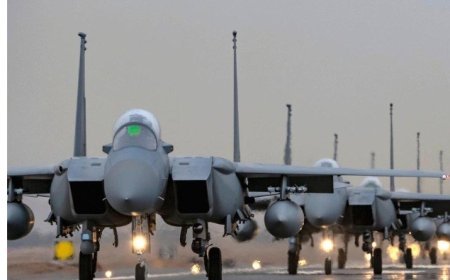
Saudi Arabia has therefore sought assistance from several partners, including Pakistan, Egypt, France and Britain, particularly as concerns have emerged over interceptor supplies.
Dispute over the Mecca allegation
The Saudi account and the Houthi account remain sharply different. Saudi authorities say a Houthi drone was intercepted south of Mecca, while Houthi leaders say they did not target Mecca or other holy sites and have described the accusation as misinformation.
That dispute makes it difficult to treat the incident itself as an independently established justification for military intervention.
Geopolitical interests come before religious solidarity
Muslim-majority countries do not share identical foreign-policy interests. Their calculations include relations with Iran, Saudi Arabia, the United States and other regional powers, as well as concerns over trade, energy supplies and the possibility of a wider regional war.
For example, Pakistan has publicly reaffirmed its commitment to Saudi Arabia's defence, while Turkey, Egypt, Saudi Arabia and Pakistan jointly backed Riyadh's right to defend itself and called for diplomacy at the UN General Assembly on September 22.
Support does not necessarily mean sending troops
The distinction between political support, intelligence or defensive assistance and direct combat operations is important. Some countries may support Saudi Arabia diplomatically without entering the Yemen conflict militarily.
The United States, for example, has reportedly declined direct military intervention in the latest phase, while Britain has agreed to provide limited aerial-refuelling support to Saudi fighter aircraft.
The situation therefore reflects a complicated mix of military capability, disputed claims, national interests and fears of regional escalation, rather than a simple question of religious solidarity.