Saudi Aramco to Halt October Crude Supplies to Some European Refiners After Pipeline Attack
 frame and share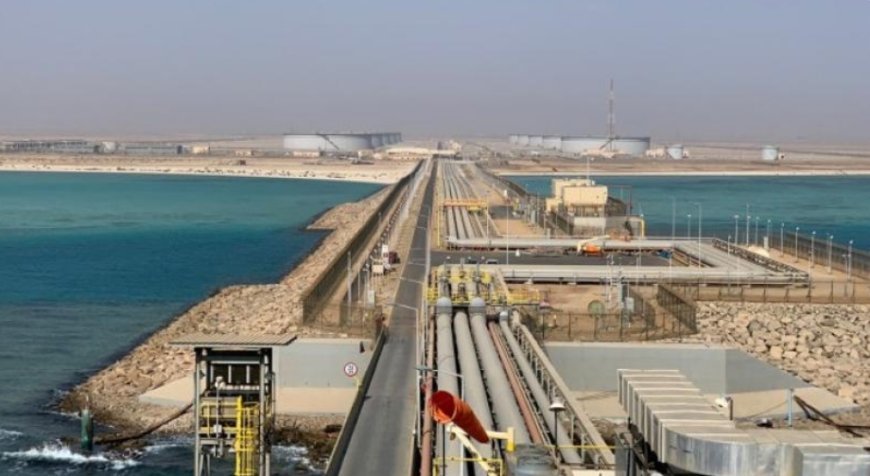


Saudi Arabia’s oil supply disruption is now directly affecting European refiners, after Saudi Aramco reportedly informed at least two European customers that they will receive no Saudi crude allocations in October following the drone attack on the kingdom’s critical East-West pipeline.
The 1,200-kilometre East-West pipeline, also known as Petroline, transports crude from Saudi Arabia’s oil-producing eastern region to the Red Sea port of Yanbu, allowing exports to bypass the Strait of Hormuz. The pipeline was shut down after drone attacks damaged several pumping stations.


According to reports, European refiners that normally receive Saudi crude under monthly term contracts have been told that their October deliveries will not take place. Saudi Aramco has not publicly commented on the reported cancellations.


The disruption is forcing European refiners to look for alternative supplies. Poland’s Orlen, one of the major buyers of Saudi crude, has reportedly secured additional cargoes from countries including Norway, Britain, Algeria, Kazakhstan, Azerbaijan and the Americas.
The pipeline had recently been carrying around 4–5 million barrels of crude per day, making it an important alternative export route amid the wider disruption to Middle Eastern oil flows. Saudi Arabia has said it expects to partially restore the pipeline soon, while a return to full capacity could take several weeks.
For Europe, the immediate concern is not necessarily a complete loss of crude supplies, but the cost and availability of replacement grades. Some European refineries are configured to process particular types of crude, meaning replacing Saudi barrels can require different blends or alternative supplies. A prolonged disruption could therefore put additional pressure on crude and refined-fuel prices.
The episode also highlights the vulnerability of global energy markets to attacks on infrastructure far from the consuming markets. With key Middle Eastern shipping routes and pipelines already under pressure, disruption to another major export route could further complicate efforts by European refiners to secure reliable crude supplies.