War Clouds Over the Middle East: Britain Joins US and Israel in Preparing for Conflict with Iran
Exclusive update: Tension escalates as Britain joins the US and Israel in military preparations against Iran. Report reveals the UK's strategic deployment of the Royal Navy and special forces amid rising World War III fears.
 frame and share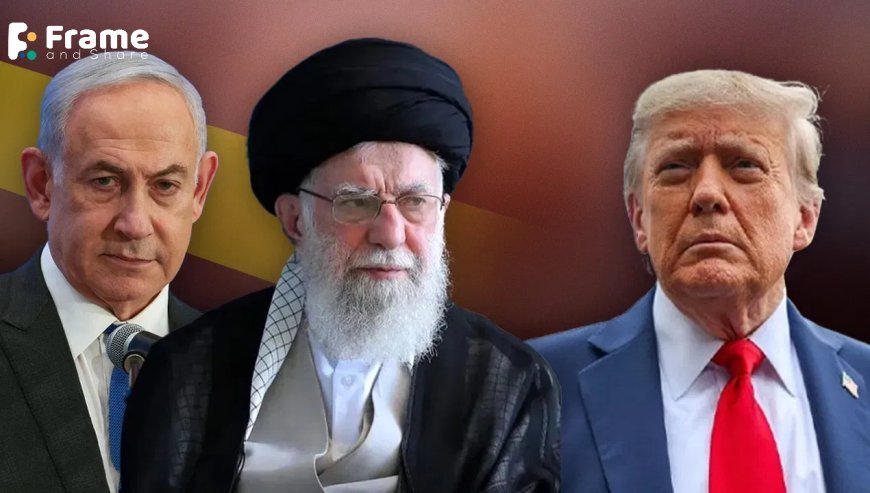


The Drumbeat of War Louder Than Ever
The geopolitical chessboard of the Middle East has entered a perilous new phase. For months, the world has watched the simmering tensions between Israel and Iran, with the United States acting as the primary deterrent. However, breaking reports now indicate a significant escalation: the United Kingdom is no longer just a spectator or a diplomatic voice. According to fresh updates, Britain has begun actively preparing its military forces for a potential direct confrontation with Iran.
This development marks a shift from "diplomatic pressure" to "operational readiness," signaling that the Western alliance (US, UK, and Israel) believes the window for a peaceful resolution may be closing. As war clouds gather over the Persian Gulf, the question is no longer if the West will act, but when and how.


Britain Steps into the Arena
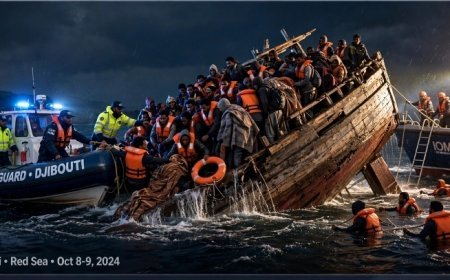
Until recently, the UK’s involvement in the region was largely limited to maritime security operations against Houthi rebels in the Red Sea. However, the latest defense updates suggest a much broader mobilization. Sources indicate that the British Ministry of Defence (MoD) is drafting contingency plans to deploy significant assets to the region to support Israel and the US in the event of an all-out war with Tehran.


The Royal Navy on High Alert
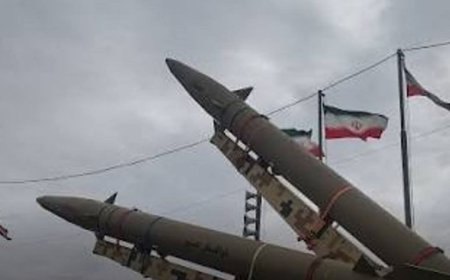
The spearhead of this preparation is the Royal Navy. Reports suggest that Britain is preparing to move its Type-45 destroyers—some of the most advanced air-defense ships in the world—closer to the Iranian coast. These vessels are capable of tracking and intercepting multiple ballistic missile threats simultaneously, a crucial capability given Iran’s vast missile arsenal.
Furthermore, there is speculation regarding the deployment of the Royal Marines and Special Air Service (SAS). These elite units are reportedly conducting drills focused on scenarios such as securing oil platforms, rescuing hostages, and neutralizing key strategic targets within hostile territory.
The 'Unholy' Trinity: US, Israel, and UK
The coordination between London, Washington, and Tel Aviv has reached unprecedented levels. This trilateral alliance is driven by three primary fears:
-
Iran's Nuclear Threshold: Intelligence reports suggest Iran is closer than ever to obtaining a nuclear warhead. Israel has made it clear it will not accept a nuclear-armed Iran, and the UK has vowed to stand by its ally.
-
Strait of Hormuz Blockade: Iran has repeatedly threatened to close the Strait of Hormuz, a choke point through which 20% of the world’s oil passes. The UK, with its heavy reliance on global trade, views this as a direct threat to its national security.
-
Proxy Warfare: The relentless attacks by Iranian proxies Hezbollah in Lebanon, Hamas in Gaza, and the Houthis in Yemen—have stretched Western patience to the breaking point.
Why Now? The Trigger Points
Why is Britain ramping up preparations now? Defense analysts point to recent rhetoric from UK government officials warning that we have moved from a "post-war" to a "pre-war" world. The realization in Whitehall is that if Israel launches a preemptive strike on Iranian nuclear facilities, Tehran will retaliate not just against Tel Aviv, but against Western assets across the region.
Britain’s preparation is a deterrent strategy: by showing massive force alongside the US, they hope to convince Iran that any escalation would result in regime-threatening consequences.
The Global Reaction: A World on Edge
The entry of Britain into the active war planning phase has sent shockwaves through global markets. Oil prices have seen a sharp uptick as traders factor in the risk of supply disruptions.
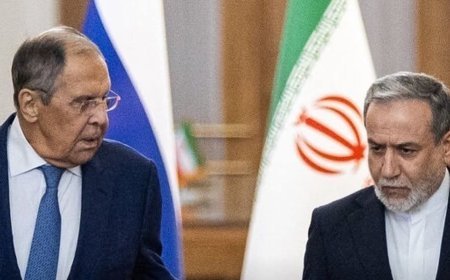
Meanwhile, the "Axis of Resistance" led by Iran and supported diplomatically by Russia and China has condemned the Western mobilization. Tehran has issued stark warnings that any British involvement in an attack on Iranian soil would make London a "legitimate target."
Walking the Tightrope
The involvement of Britain adds a layer of complexity and gravity to the Middle East crisis. It transforms a regional standoff into a potential global conflict. While the UK government maintains that it seeks de-escalation, the movement of troops, ships, and jets tells a different story.
As 2026 unfolds, the world holds its breath. The preparations are complete, the armies are standing by, and the margin for error has vanished. The next move on this volatile chessboard could determine the fate of global peace for decades to come.