Will Elections Held After SIR Be Challenged? Supreme Court Lawyers Raise Questions Over Electoral Rolls
 frame and share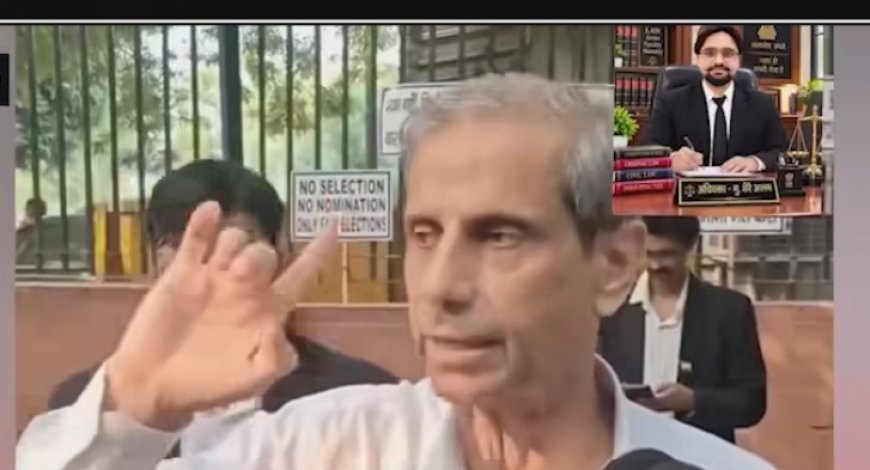


The controversy surrounding the Special Intensive Revision (SIR) of electoral rolls has entered a new legal phase, with questions being raised over whether elections conducted on the basis of revised voter lists could subsequently face legal challenges.
The issue has gained attention amid protests and legal interventions concerning the Election Commission’s voter-roll revision exercise. A group of lawyers associated with the Supreme Court has reportedly raised concerns over the electoral process and the implications of changes made to voter lists.


However, there is no automatic legal rule under which every election held after SIR would be cancelled. The validity of an election depends on the facts of the particular case and the legal remedies available under election law.


The Election Commission has maintained that electoral-roll revision is part of its constitutional and statutory responsibilities. At the same time, petitions challenging aspects of SIR have been pending before the Supreme Court, with concerns including the inclusion or exclusion of eligible voters and the procedures followed during revision.
The legal debate became particularly significant in West Bengal, where the Election Commission told the Supreme Court that more than 22 lakh appeals had been filed by voters whose names were deleted during the SIR process. The Commission also argued that an election conducted on the basis of an existing electoral roll cannot simply be challenged because of an alleged defect in that roll; election challenges must follow the remedies prescribed by election law.
The controversy has also triggered demands from political leaders for cancellation or fresh elections in constituencies where they allege that voter deletions affected the electoral outcome. Such demands, however, are political claims and do not themselves invalidate an election.
Under India's election-law framework, challenges to completed elections generally have to be pursued through the prescribed election-petition process, rather than assuming that an entire election becomes void merely because the electoral roll was revised.
Therefore, the central legal question is not simply whether an election was held after SIR, but whether there was a legally established violation or irregularity that could affect the validity of that particular election.
As of September 28, 2026, the available reporting does not establish that the Supreme Court has ordered all elections held after SIR to be cancelled. The question of individual elections would depend on the evidence, applicable law and decisions of the competent judicial authorities.