Was Voter-List Deletion Controlled From Delhi? EC Explains Role-Based Access
 frame and share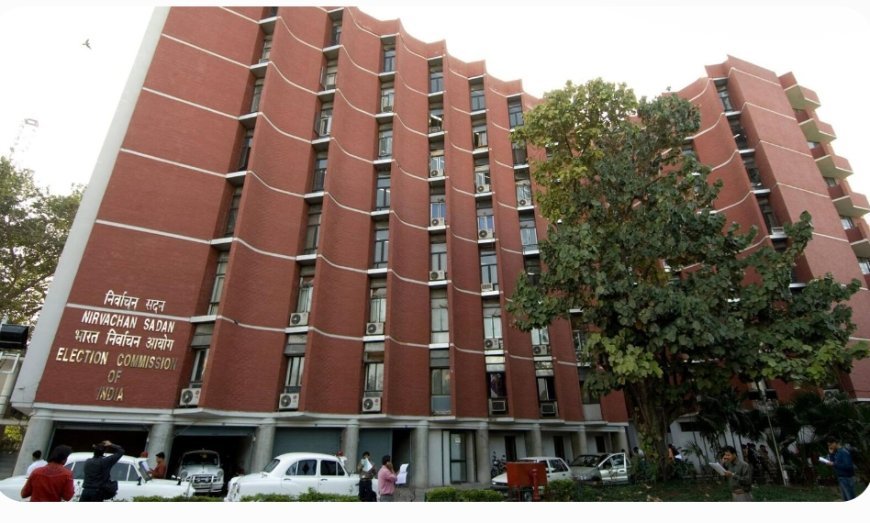


Election Commission Clarifies Electoral Roll Control; ECINET Review Committee Announced
The Election Commission of India (ECI) has responded to questions over whether the deletion of names from electoral rolls was being centrally controlled from Delhi, saying that state-level election authorities have not lost their statutory powers.


The clarification came after concerns were raised about the centralisation of electoral-roll data and the access available to state and field-level election officials. The Commission said officials using ECINET are provided role-based access according to their statutory powers.


EC to Review ECINET System
The ECI has decided to constitute a committee to examine the functioning of its integrated digital platform, ECINET. The committee will be headed by a Senior Deputy Election Commissioner and will include an independent expert from an IIT or IIIT.
The committee will examine whether ECINET complies with the relevant election laws and rules and will submit its findings to the Commission. The ECI also said that additional flexibility or access required by field officials would be implemented where necessary.
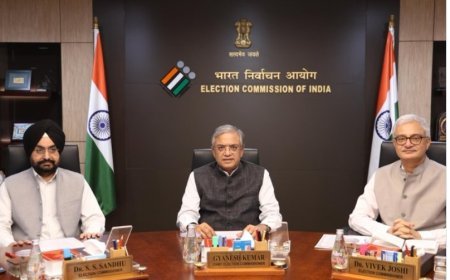
The decision follows concerns reportedly raised by Election Commissioners Sukhbir Singh Sandhu and Vivek Joshi regarding access to the electoral-roll database and the functioning of the Commission's IT systems. Reports said the two commissioners had raised objections on several occasions over decisions and orders concerning electoral-roll management.
What Did the Election Commission Say About State Control?
According to the Commission, state election authorities continue to exercise their statutory responsibilities. It said ECINET does not remove their authority, with access being structured according to the role and powers of individual officials.
The Commission has also decided that future initiatives involving new IT modules and portals will first be discussed by the Committee of Officers before being placed before the Commission for approval.
No Mandatory Personal Hearing for Certain SIR Notices
In another major decision, the ECI said voters who received notices during the Special Intensive Revision (SIR) because of unmapped records or logical discrepancies will generally not have to appear personally before the Electoral Registration Officer (ERO).
Instead, Booth Level Officers (BLOs) will visit their homes, collect the required documents and upload them on ECINET. The ERO will then take the decision. A hearing may be conducted only in exceptional circumstances, preferably online.
Delhi SIR Deadlines Extended
The Commission has also extended the deadlines for claims and objections in Delhi. The deadline for filing claims and objections has been extended to October 30, 2026, while the deadline for disposal of notices, claims and objections has been extended to November 30, 2026.
The Commission has similarly extended the relevant deadlines in Maharashtra.
EC Says SIR Decisions Were Unanimous
Amid reports of differences within the poll panel, the ECI said that decisions related to the ongoing SIR were taken with the unanimous approval of all three Election Commissioners—CEC Gyanesh Kumar and Election Commissioners Sukhbir Singh Sandhu and Vivek Joshi. The Commission described differences of opinion as part of its normal decision-making process.
The Commission also said that disputed work-redistribution orders in its IT division were never implemented, and that oversight of the IT division by the Deputy Election Commissioner was not withdrawn.