Trump Expects More Iran Talks This Week After Rejecting Tehran’s Latest Proposal
 frame and share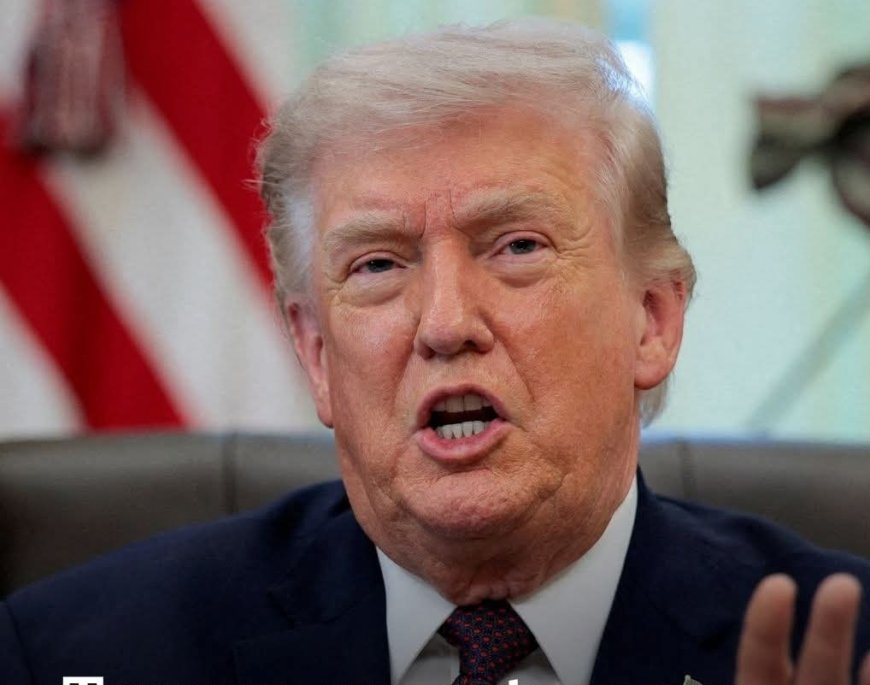


US-Iran Talks Could Resume Monday as Qatar Continues Mediation Over Hormuz and Nuclear Issue
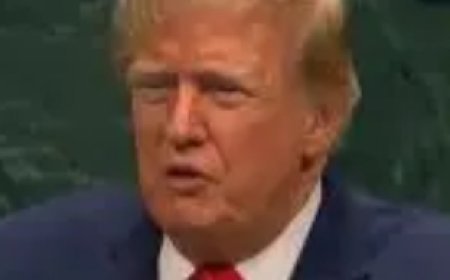
Washington: US President Donald Trump has said he expects further talks with Iran this week, a day after rejecting Tehran’s latest proposal aimed at ending the war and reopening the Strait of Hormuz.


In comments to Axios, Trump said Iran wants to reach an agreement but that Tehran's proposal does not match what Washington is seeking.


“I expect more talks with Iran [this week]. They want to make a deal, but it is not the deal that I want to make,” Trump told Axios.
The remarks indicate that, despite the rejection of Iran's latest proposal, diplomatic contacts between the two sides are continuing through intermediaries. Axios reported that another round of indirect negotiations could take place as early as Monday, citing two regional sources.
Qatar Continues to Mediate
Qatar remains a key mediator in the diplomatic effort. Rather than direct negotiations between Washington and Tehran, messages and proposals have been exchanged through regional intermediaries.
Recent talks during the UN General Assembly in New York involved US envoys Steve Witkoff and Jared Kushner and Iranian Foreign Minister Abbas Araghchi, with Qatari officials helping relay messages between the two sides.
Two Major Issues Remain Apart
The central disagreement remains over the priorities for any potential agreement.
Iran wants discussions to focus on:
Reopening the Strait of Hormuz.
Ending the US naval blockade.
Removing sanctions affecting Iranian oil exports.
Restoring a ceasefire across the region.
According to Axios, Iran has proposed reopening the waterway and resuming nuclear discussions after a short period if Washington meets these conditions.
Washington, meanwhile, is seeking nuclear concessions from Tehran. US negotiators have also argued that Iran cannot make demands regarding the Strait of Hormuz because, in Washington's view, Tehran does not control the waterway.
Trump Leaves Door Open to Further Military Action
Despite indicating that additional talks are expected, Trump also maintained a hard line on the possibility of military action.
Asked whether he was considering renewed strikes against Iran, Trump replied:
“I am always thinking about it.”
His comments come amid continued tensions over the war, the Strait of Hormuz and Iran's nuclear programme.
Trump had said earlier in September that he faced a major decision over whether to pursue another military campaign against Iran or continue seeking a diplomatic agreement.
Hormuz Remains at the Centre of the Dispute
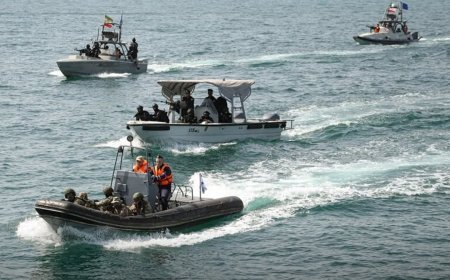
The Strait of Hormuz, a critical route for global energy shipments, has become one of the principal issues in the US-Iran confrontation.
US officials say oil tankers continue to pass through the waterway under US protection, although traffic remains below pre-war levels.
Iran, however, has sought to make the reopening of the strait a central element of any new arrangement with Washington.
What Happens Next?
The possibility of another indirect meeting as early as Monday suggests that diplomatic channels remain active despite Trump's rejection of Tehran's latest proposal.
The immediate focus will be whether Qatar can narrow the differences between the two sides, particularly over the Strait of Hormuz, US sanctions and the scope of nuclear commitments expected from Iran.
For now, Trump's comments indicate that Washington is keeping both diplomatic negotiations and the possibility of further military action on the table.