Marriage vs Consent: Why India’s Marital Rape Exception Is Back in Focus
 frame and share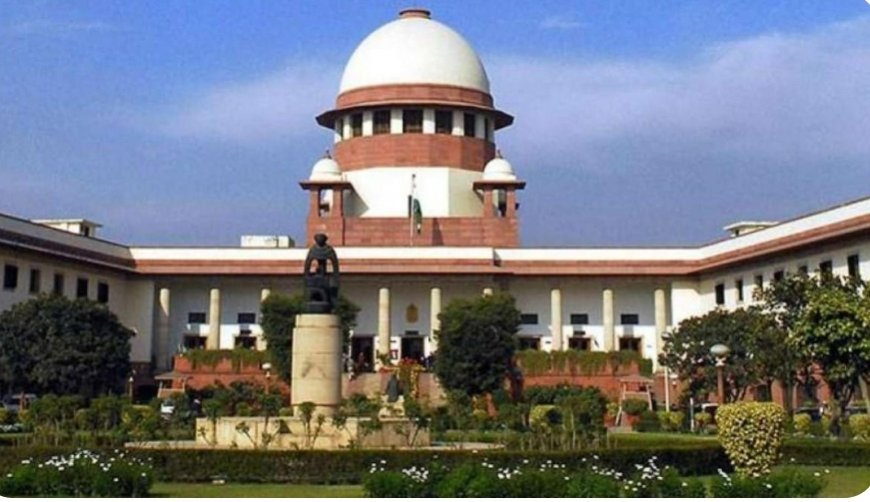


‘Is Marriage Permanent Consent?’: Marital Rape Exception Battle Reaches Supreme Court
NEW DELHI, September 7, 2026: A long-running legal battle over India’s marital rape exception is once again before the Supreme Court, raising a fundamental question: Does marriage amount to permanent consent to sexual relations?


The case traces back more than a decade, when a married woman approached the courts alleging that her husband repeatedly had sexual relations with her against her wishes. Her legal battle highlighted a longstanding distinction in Indian rape law between sexual acts committed by a husband against his adult wife and similar acts involving a woman outside marriage.


Under Exception 2 to Section 63 of the Bharatiya Nyaya Sanhita (BNS), sexual intercourse or sexual acts by a man with his own wife, provided she is not below 18, are excluded from the legal definition of rape. The provision has been challenged before the Supreme Court on constitutional grounds.
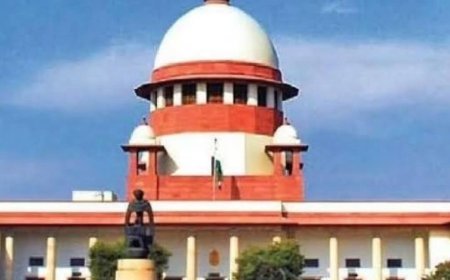
The Supreme Court on Monday said it would consider the Centre’s stand before fixing a suitable date for hearing the batch of petitions challenging the exception. The matter involves questions concerning equality, bodily autonomy and the constitutional validity of treating sexual violence within marriage differently from sexual violence outside marriage.
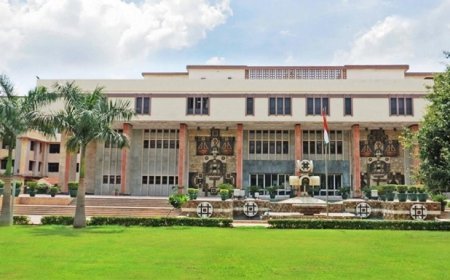
The issue previously reached the Delhi High Court, which delivered a split verdict in 2022. One judge favoured striking down the exception as unconstitutional, while the other held that the issue should be addressed by Parliament. The matter subsequently moved to the Supreme Court.
The Supreme Court’s eventual ruling could have significant implications for how consent, marriage and sexual violence are treated under Indian criminal law.